
Creating a beautiful home is an exciting experience. From choosing stylish furniture to browsing decorative accessories and exploring the latest interior design trends, it is easy to get carried away with the idea of transforming your living space. However, one common mistake homeowners make is purchasing items before taking the time to understand their home’s layout, needs, and overall character. What initially feels like an investment in a more beautiful home can quickly become an expensive exercise in replacing unsuitable furniture, rearranging rooms, and buying things that do not work. A well-designed home isn’t created by buying the most attractive items available. It begins with understanding the space, identifying practical requirements, and making thoughtful decisions. Before adding anything to your shopping basket, consider why planning should always come before purchasing.

Buying Furniture Without Measuring Your Space
One of the most expensive decorating mistakes is purchasing furniture without knowing the exact dimensions of a room. A sofa that looks perfect in a showroom may overwhelm a small living room, while a dining table might leave insufficient space for comfortable movement. Even beautiful furniture can become impractical when it does not fit properly. Measuring room dimensions, doorways, and available floor space before shopping helps prevent unnecessary purchases. Understanding proportions also makes it easier to select pieces that complement the room rather than dominate it.
Following Trends Instead of Understanding Your Lifestyle
Interior design trends can be inspiring, but not every popular style suits every household. An expensive white sofa may look elegant in a magazine, but it might not be practical for a busy family with young children or pets. Similarly, delicate decorative furniture may not suit a home where durability and everyday functionality are priorities. Before purchasing anything, consider how you actually use your living spaces. Your furniture and décor should support your lifestyle rather than create additional maintenance or inconvenience.
Choosing Colors Before Understanding Your Existing Interior
Color selection is another area where buying too early can lead to disappointment. A paint color, rug, or set of curtains might look appealing in a photograph but look completely different once introduced into your home. Natural lighting, existing flooring, wall finishes, and surrounding furniture all influence how colors interact. Buying decorative pieces without considering these elements can result in mismatched interiors and unnecessary replacement costs. Understanding your home’s existing color palette helps you make more coordinated, confident decisions.
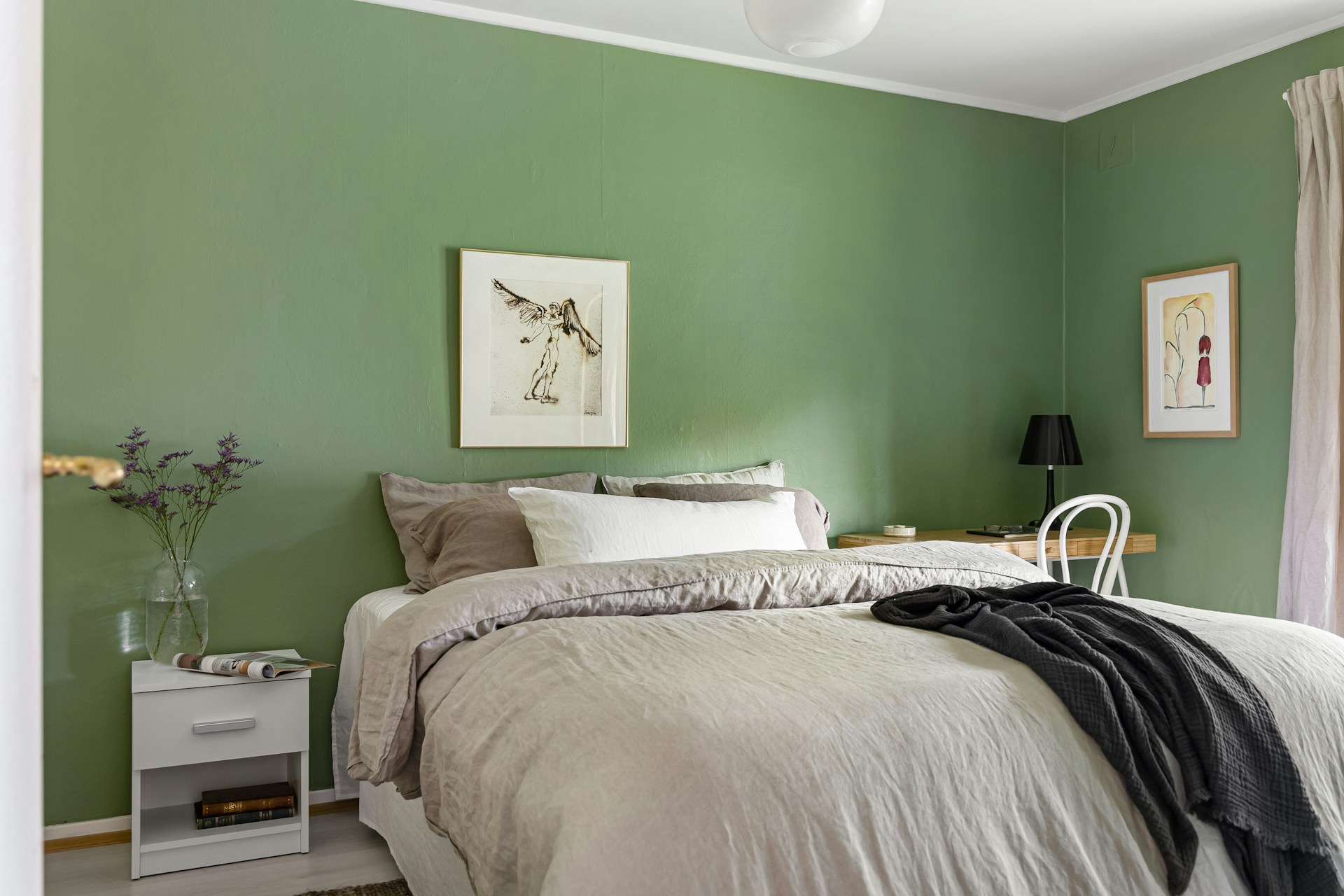
Overlooking Storage and Functional Requirements
A beautiful home should also be practical. Purchasing decorative furniture and accessories without considering storage requirements can leave rooms looking attractive but poorly organized. For example, buying a stylish coffee table without considering whether you need additional storage may create a missed opportunity. Similarly, filling a bedroom with oversized furniture can reduce valuable space for wardrobes and everyday essentials. Assessing your storage needs before shopping helps ensure that every purchase contributes to a more functional living environment.
Spending Money on Items That Do Not Work Together
Individual purchases may look attractive on their own, but that does not necessarily mean they will work together. A modern sofa, traditional dining table, industrial lighting fixture, and heavily patterned rug can create a visually disconnected interior if there is no unifying design direction. This often happens when homeowners purchase items whenever they find something appealing, without considering the overall picture. Developing a basic design plan, including preferred materials, colors, textures, and furniture styles, helps create a more cohesive home.
Forgetting That Quality Matters More Than Quantity
Another common mistake is buying too many items simply because they are affordable or currently fashionable. Filling every corner with furniture and accessories can make a home feel crowded and reduce its functionality. Instead of purchasing everything at once, consider investing in fewer, carefully selected pieces that offer durability, comfort, and lasting appeal. A thoughtful purchasing process also allows you to prioritize essential items and gradually introduce decorative elements that genuinely improve your space.
The excitement of decorating a home can sometimes encourage rushed purchasing decisions, but buying before you understand your space can be an expensive mistake. From incorrectly sized furniture and mismatched colors to inadequate storage and unnecessary accessories, poor planning can affect both your budget and your home’s overall appearance. Remember, creating a well-designed home is not about how much you buy or how quickly you decorate. It is about making thoughtful choices that work together to create a space that feels comfortable, cohesive, and truly yours.